


Antibiotic resistance is one of the greatest infectious disease threats in the 21st Century. The United States Centers for Disease Control and Prevention has estimated that drug-resistant infections are responsible for each year. Among the three identified by the World Health Organization is Psuedomonas aeruginosa.
Researchers at the University of Louisville 聽are working at the forefront in combating these pathogens. The CPM has been testing the effectiveness of new drugs against P. aeruginosa under a contract with the National Institutes of Health since 2013, and a new contract from the U.S. Food and Drug Administration will expand the center鈥檚 work in testing new drugs against this pathogen. Under the new two-year, $933,606 contract, CPM will develop a validated model for screening antimicrobial drugs against P. aeruginosa.
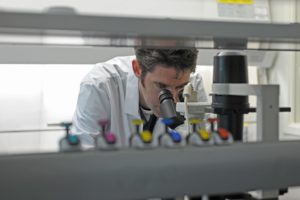
鈥淭his model likely will play an important role in drug development pipelines leading to identification of new antimicrobial drugs,鈥� said Matthew Lawrenz, PhD, associate professor of microbiology and immunology who is leading the research. 鈥淩esearchers at UofL and from around the world will use the model to screen new antimicrobials against multi-drug resistant bacteria prior to clinical trials.鈥�
Forest Arnold, DO, hospital epidemiologist for UofL Hospital and associate professor in the Division of Infectious Diseases in the UofL School of Medicine, said multi-drug resistant bacteria and XDR bacteria, those with resistance to all existing antibiotics, are evolving faster than the drugs to kill them.
鈥淭he germs get smarter as we make new drugs. If we are going to stay on top of them, we need new antibiotics, especially new classes of antibiotics — those with a new mechanism of action that the germ hasn鈥檛 seen before,鈥� Arnold said.
Infections with MDR bacteria are particularly threatening for patients with weakened immune systems, those who have had multiple rounds of treatment with antibiotics, and in patients using devices such as ventilators and blood catheters. Since these bacteria are now resistant to many of the antibiotic drugs used to treat them, they can lead to severe infections and death.
鈥淚f you have an infection with a bacterium we don鈥檛 have an antibiotic to treat, it could kill you,鈥� Arnold said.
P. aeruginosa is common in the environment and in otherwise healthy people, it may cause relatively minor of the ear, skin or eye. However, in people with weakened immune systems or in hospital settings, P. aeruginosa can cause serious, life-threatening infections of the blood, lungs, digestive tract or tissue. Infected wounds will have a green pus or discharge and a fruity smell.
The validated animal model, to be developed by UofL researchers with collaborators at the University of Kentucky and the University of Wisconsin, will be used to test new compounds developed by drug companies and research labs around the world against P. aeruginosa. This model will allow testing against multiple strains of pseudomonas and will give more detailed information about the effectiveness of the drugs being tested.
鈥淭he previous methods we used for testing the drugs provided basic information about a compound鈥檚 effectiveness. This new model will allow us to test anything from older classes of antibiotics to brand new classes and will provide information on dosing and scheduling. In addition, we will be able to test different strategies, such as immunomodulation 鈥� targeting the host to better respond to the infection as opposed to directly killing the bacteria,鈥� Lawrenz said.
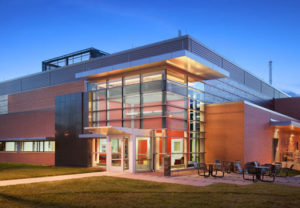
The CPM鈥檚 new contract with the FDA will take advantage of the sophisticated resources at the , located on the UofL ShelbyHurst Campus, which provide the environment necessary for this work.
鈥淭his new contract from the Food and Drug Administration supports the development of a model for understanding how bacteria build resistance to current commercially available antibiotics, which in turn, will lead to the discovery of new drugs or methods to combat a variety of infectious diseases,鈥� said Robert Keynton, PhD, interim executive vice president for research and innovation at UofL. 鈥淭he UofL Center for Predictive Medicine and the Regional Biocontainment Laboratory represents a significant investment in infrastructure, faculty and staff by the university聽in the field of emerging infectious diseases, which聽is one of our research and training strategic priorities.”


